
CASE STUDY · THE LAST HOUR
When Every Choice Matters
Designing an interactive mystery where players uncover a story through exploration, decisions and the consequences of their choices.

CLIENT
Singapore Anti-Narcotics Association (SANA)
PROJECT
The Last Hour
MY ROLE
Experience Designer (Game Design)
TIMELINE
2025–2026
The challenge
How do you make anti-drug education engaging without losing the seriousness of its message?
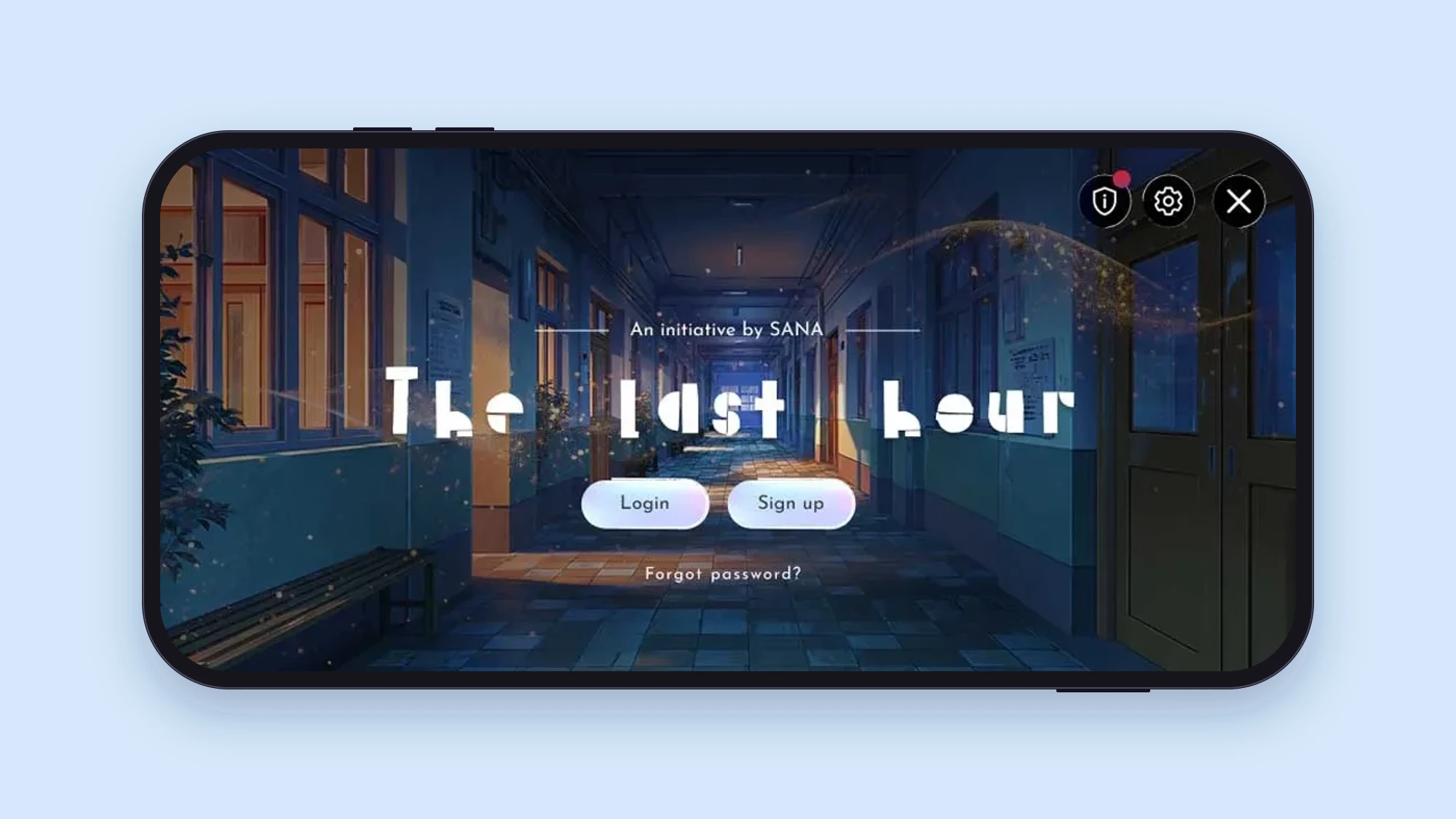
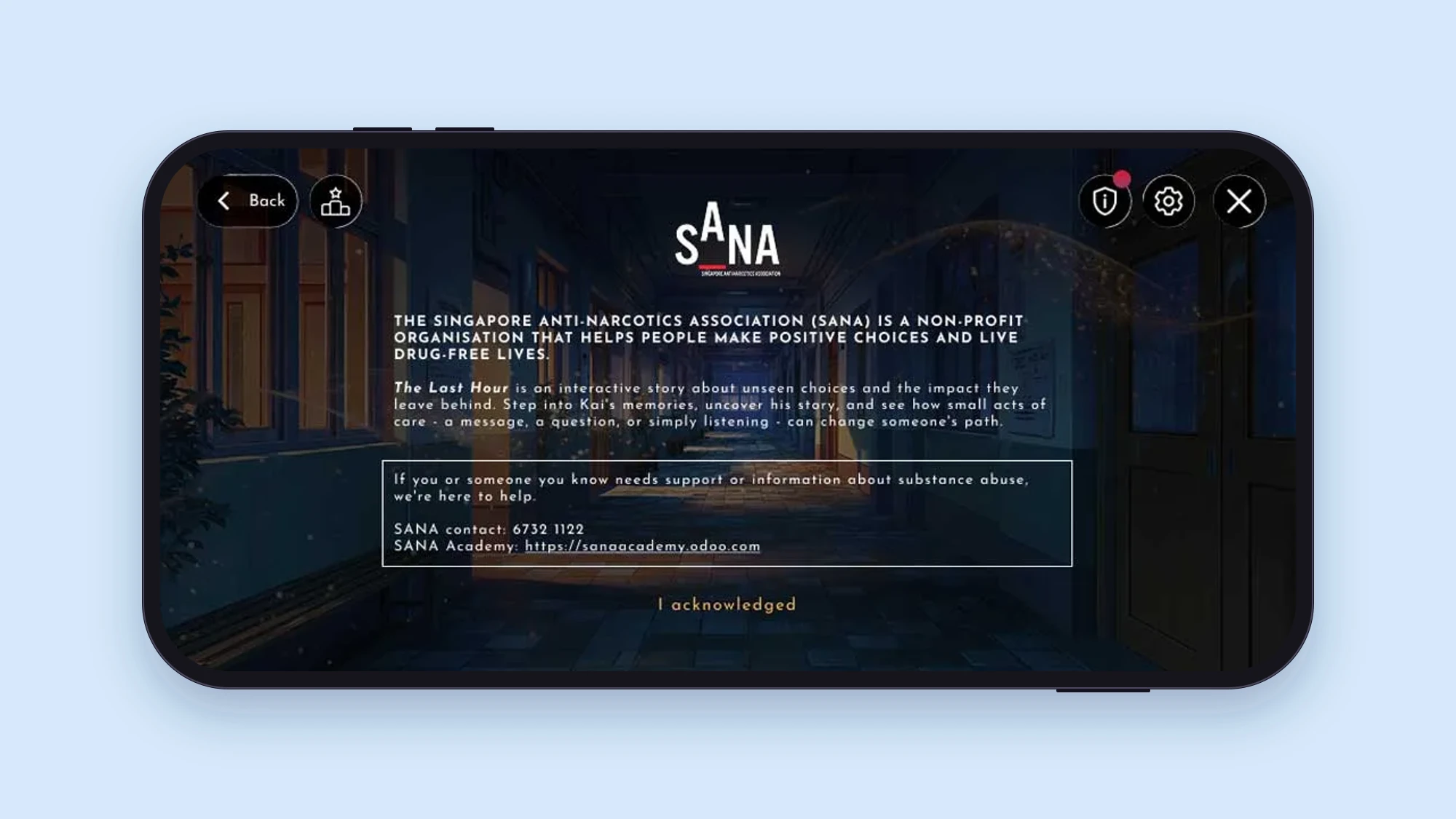
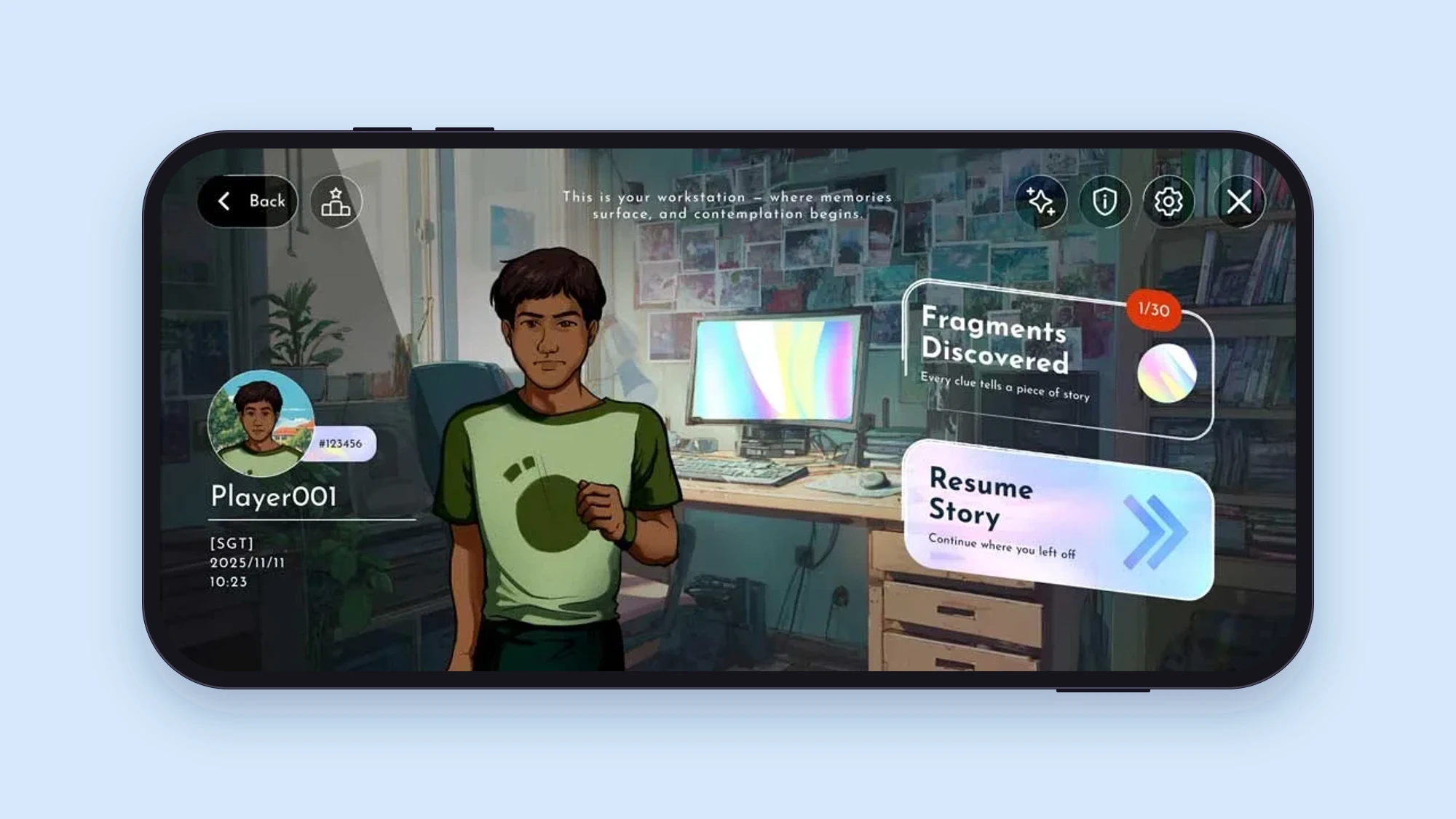
The Last Hour is a browser-based e-Escape Room developed for the Singapore Anti-Narcotics Association (SANA), designed to engage students in preventive drug education through interactive storytelling. Players investigate the events surrounding Kai, a student whose final hours are gradually revealed through different perspectives, conversations and clues.
Rather than presenting information through conventional educational content, the game invites players to explore environments, solve puzzles and make decisions as they piece together what happened. Our challenge was to create something that felt like a genuine mystery while ensuring the educational message remained meaningful.
THE QUESTION WE HAD TO ANSWER
How could we make learning part of the mystery itself, so every quiz and puzzle moves the story forward?
What I did
01
Narrative development
02
Puzzle and quiz design
03
Gameplay mechanics
04
Branching logic
05
Interactive assets
06
Quality assurance
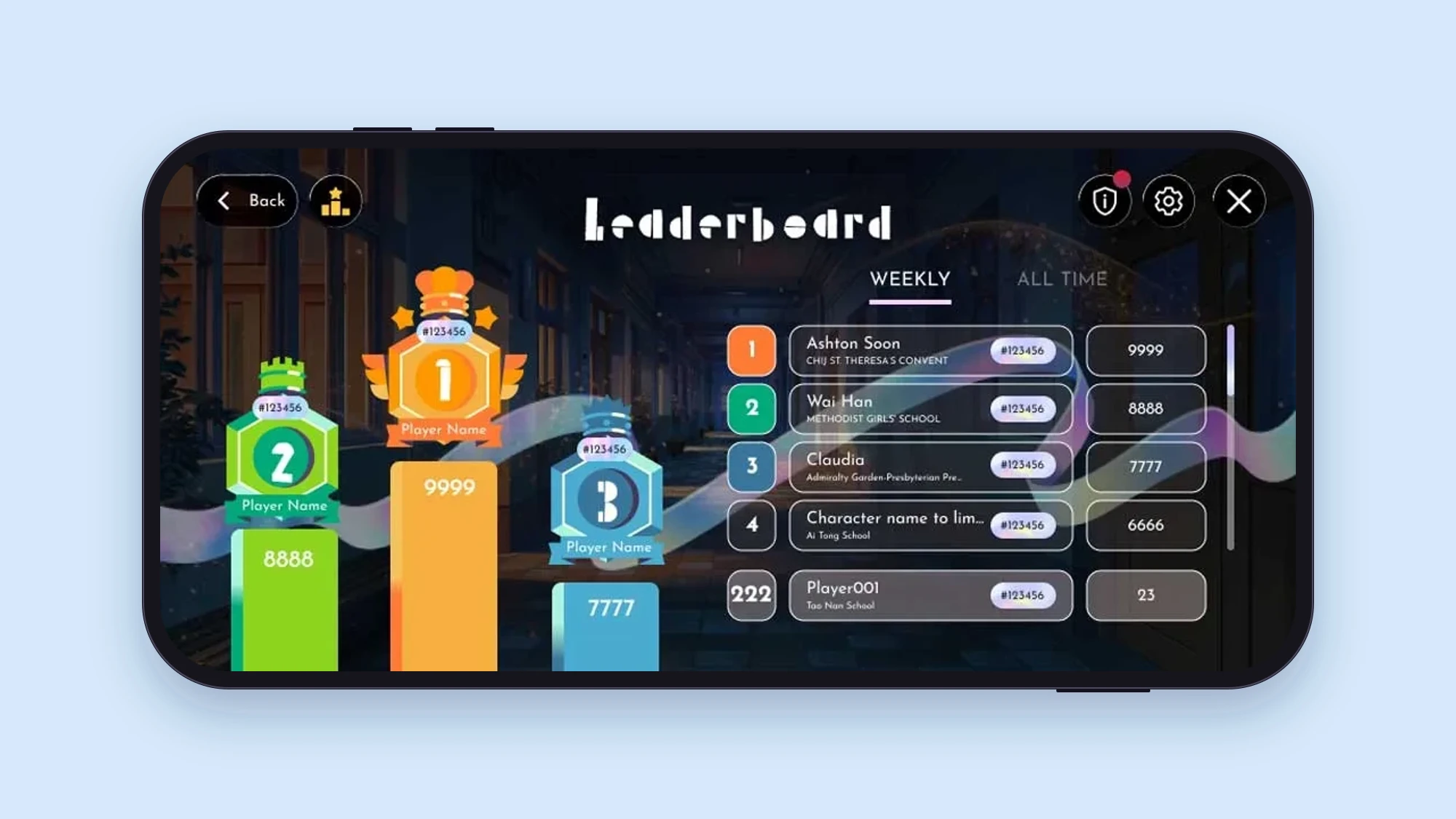
Core design decisions
The choices that shaped how the game plays, from the story to the logic behind it.
DESIGN DECISION 01
Building a story players could explore
A mystery is only interesting when every discovery brings you closer to understanding the bigger picture.
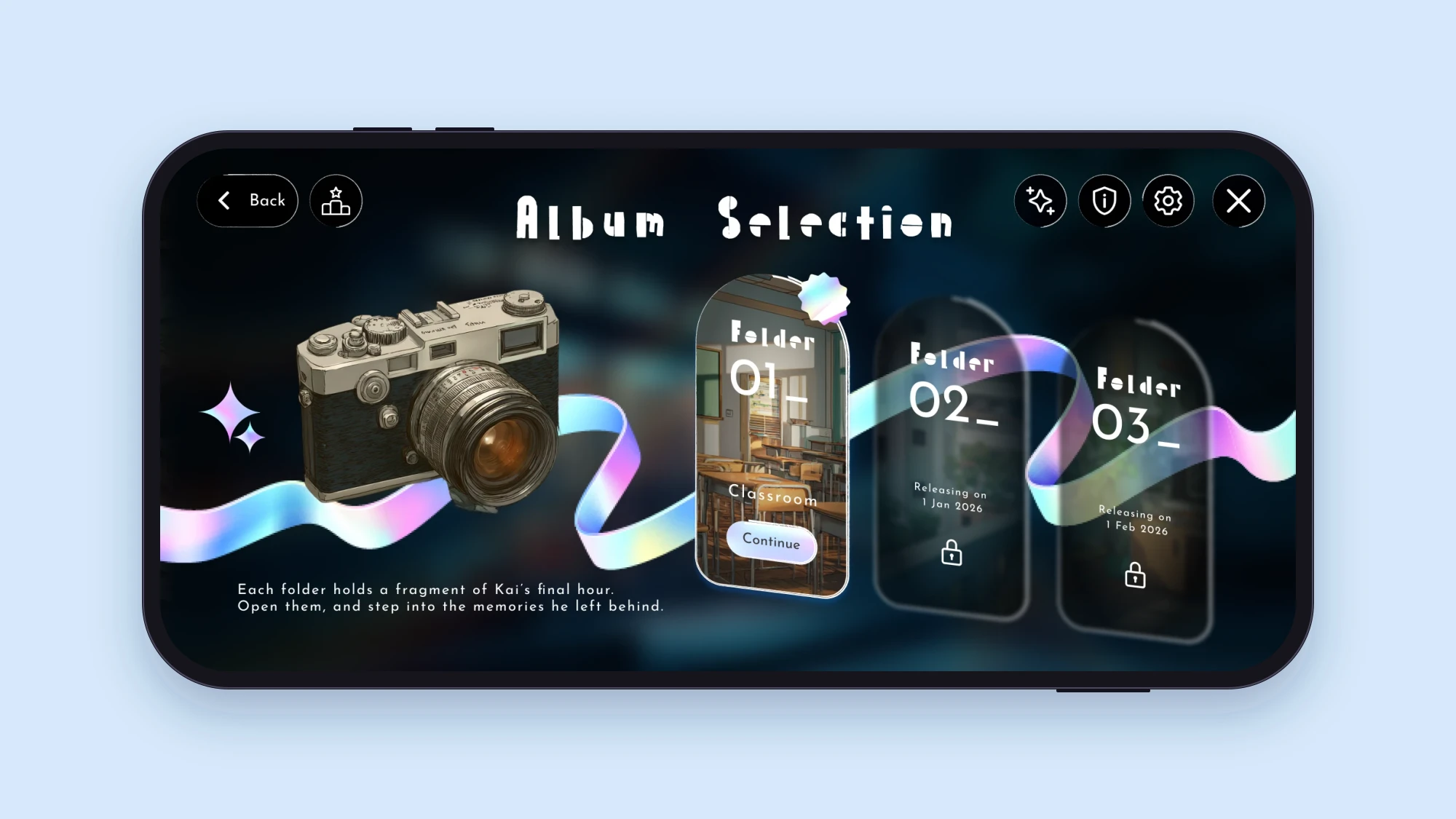
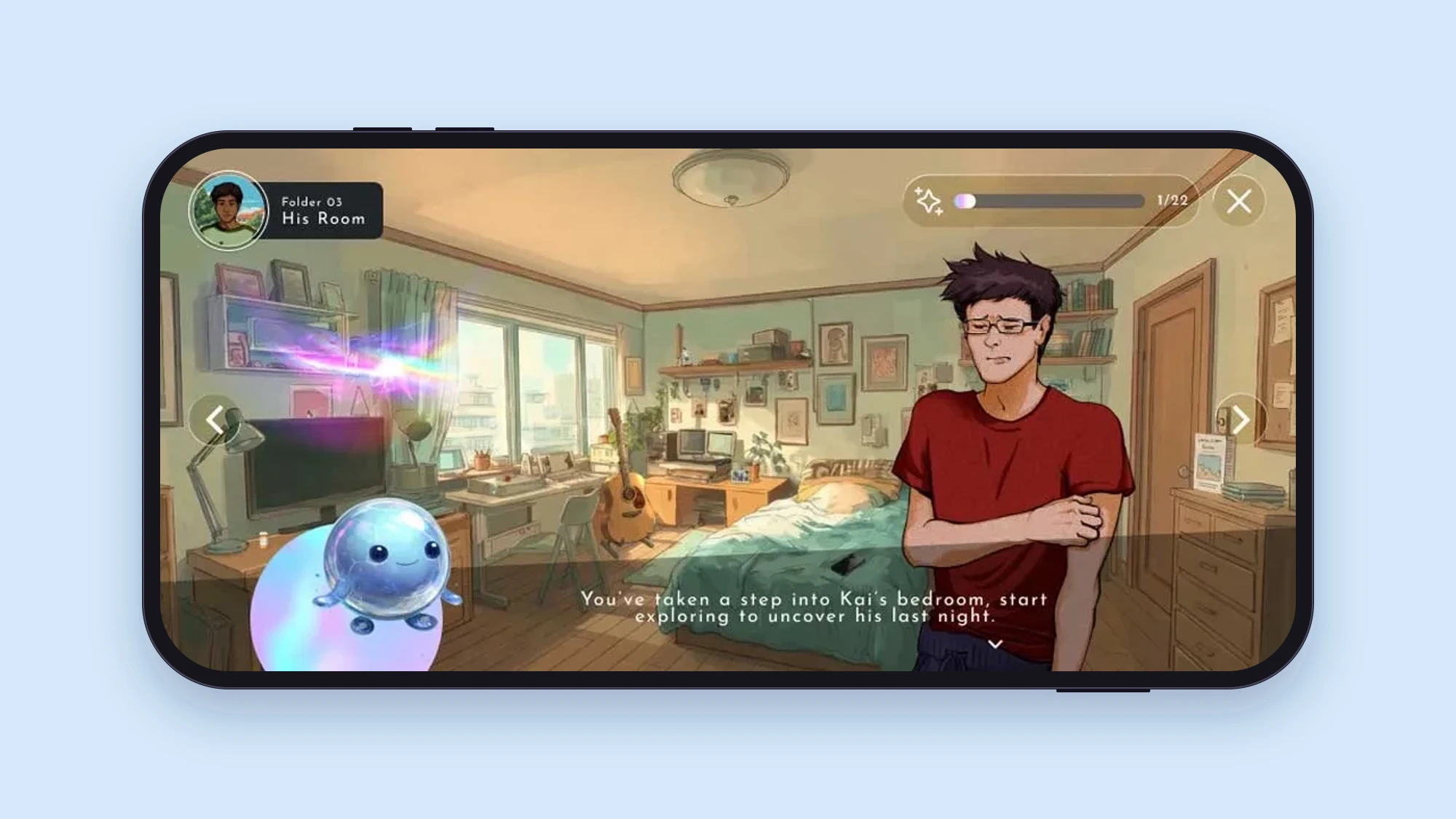
One of my main contributions was developing and refining the game's narrative structure. I worked on rewriting parts of the storyline, planning character interactions and connecting events across different chapters.
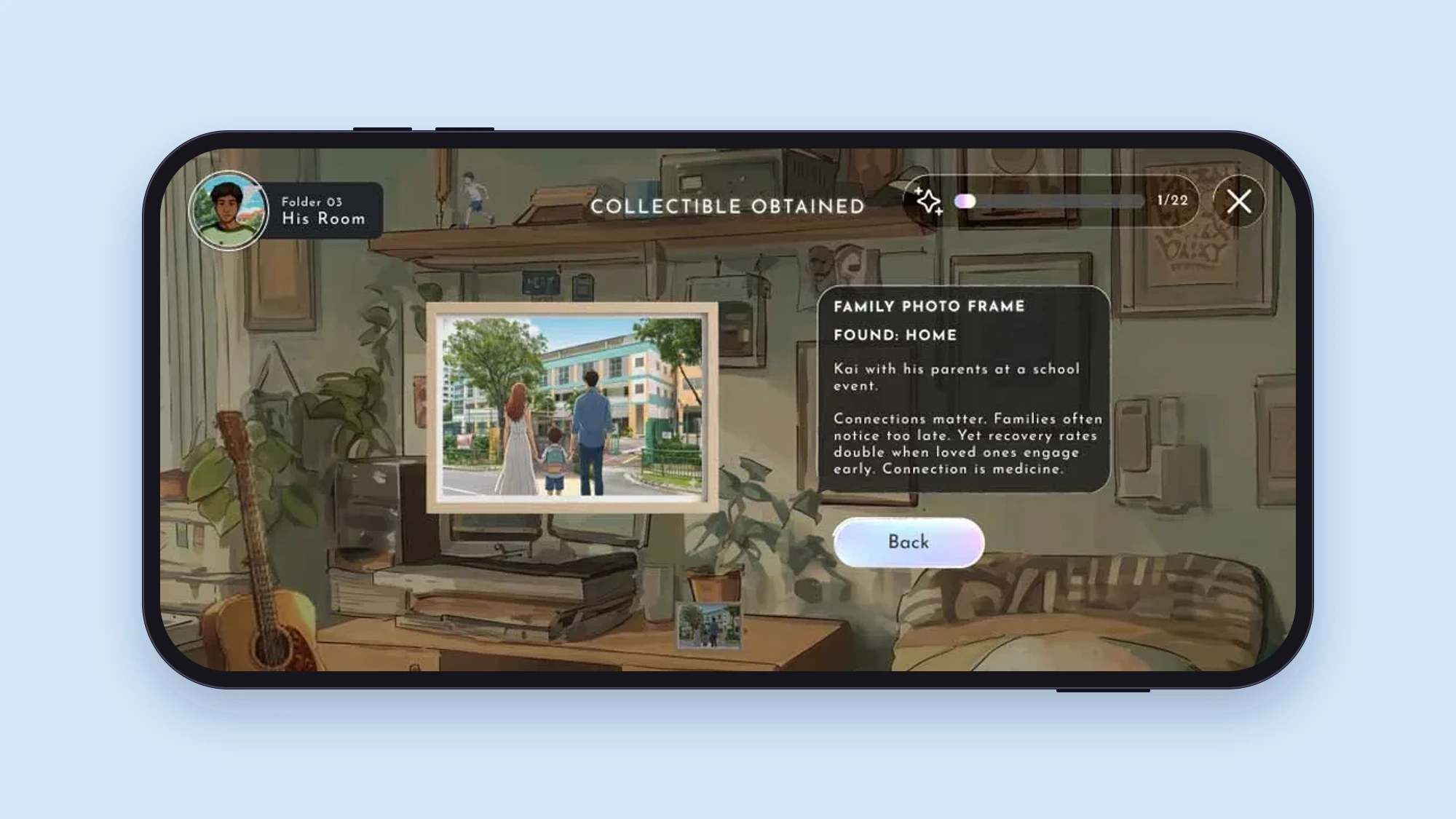
The story needed to reveal information gradually, allowing players to uncover different perspectives and recognise the significance of seemingly small decisions. I also helped develop three possible endings, introducing different outcomes based on players' choices throughout the experience.
This meant thinking beyond individual scenes. Each interaction needed to contribute to the story, while the different narrative paths still had to make sense when brought together.
WHAT I WANTED
I wanted players to feel like they were discovering the story themselves, rather than simply watching it unfold.

DESIGN DECISION 02
Turning education into gameplay
The biggest design question was how to make learning feel like part of the mystery.
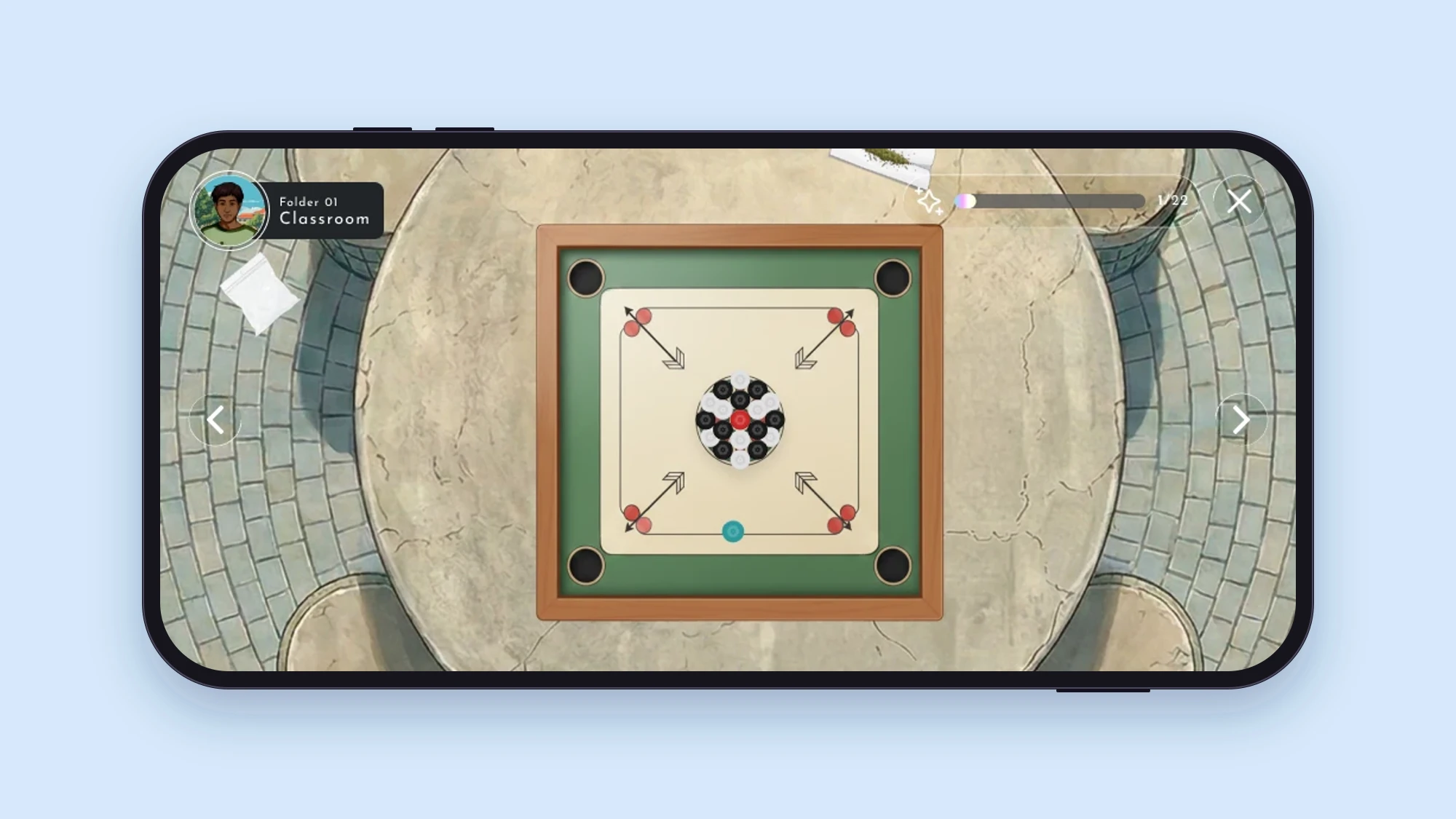
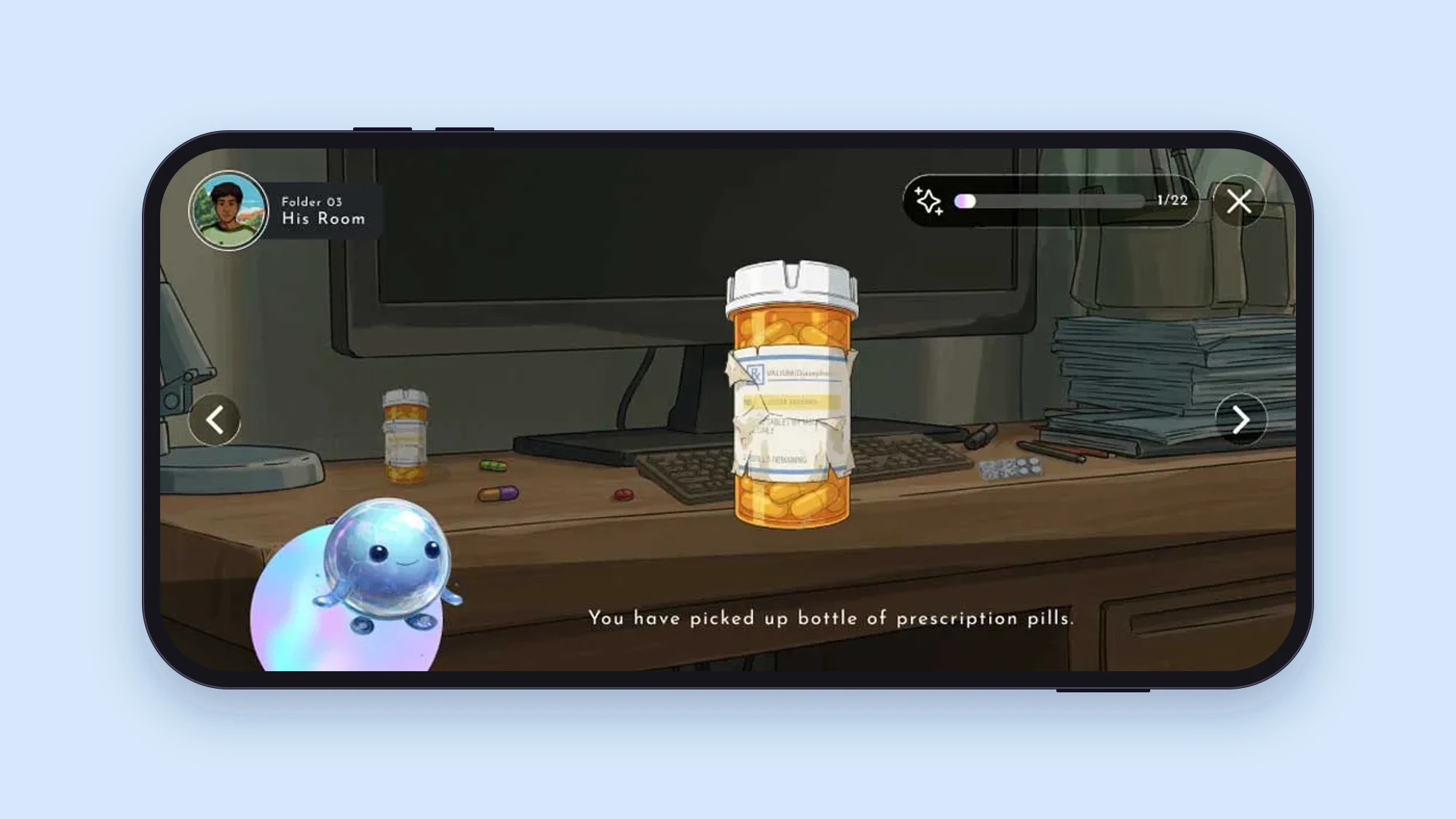
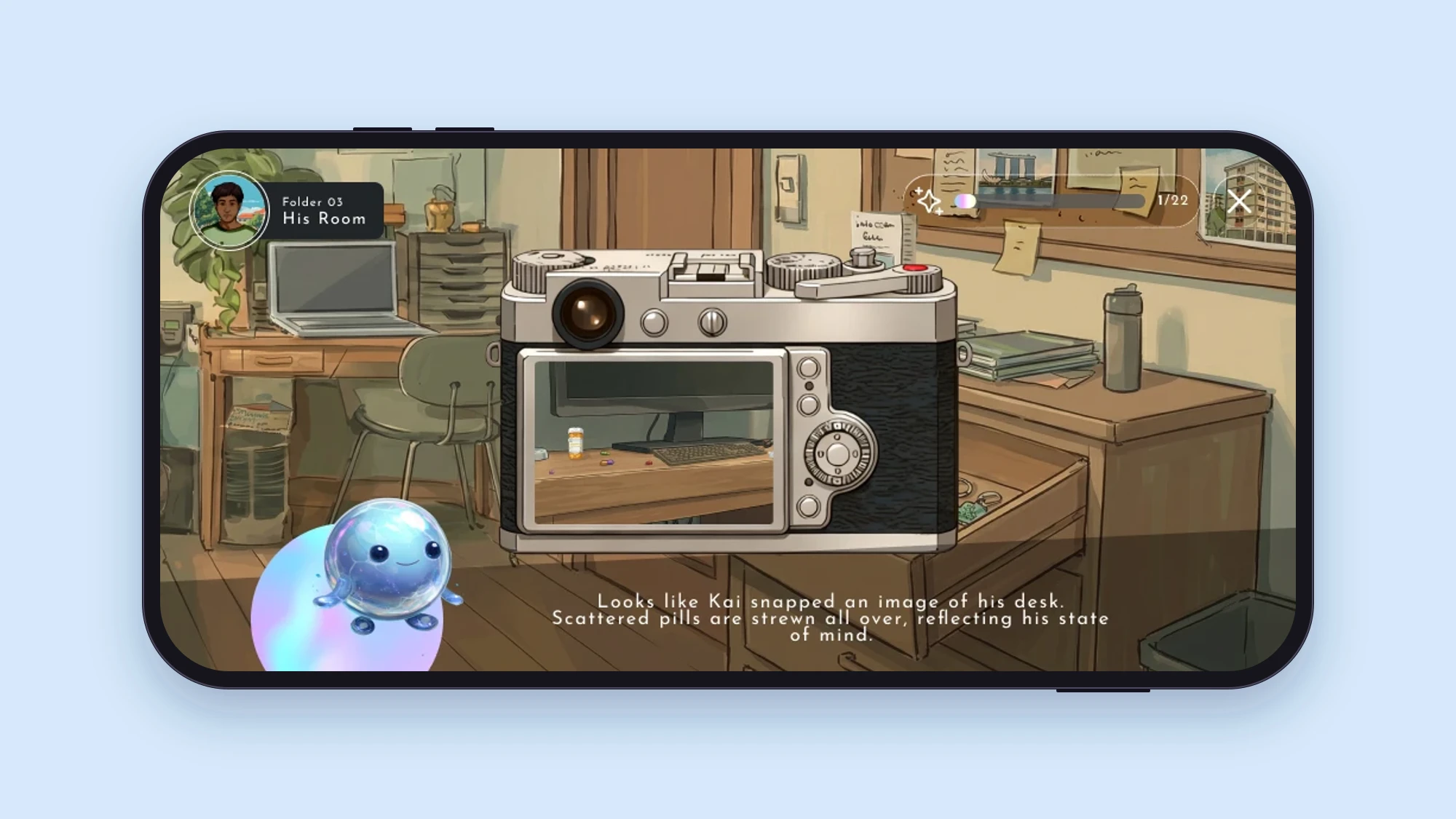
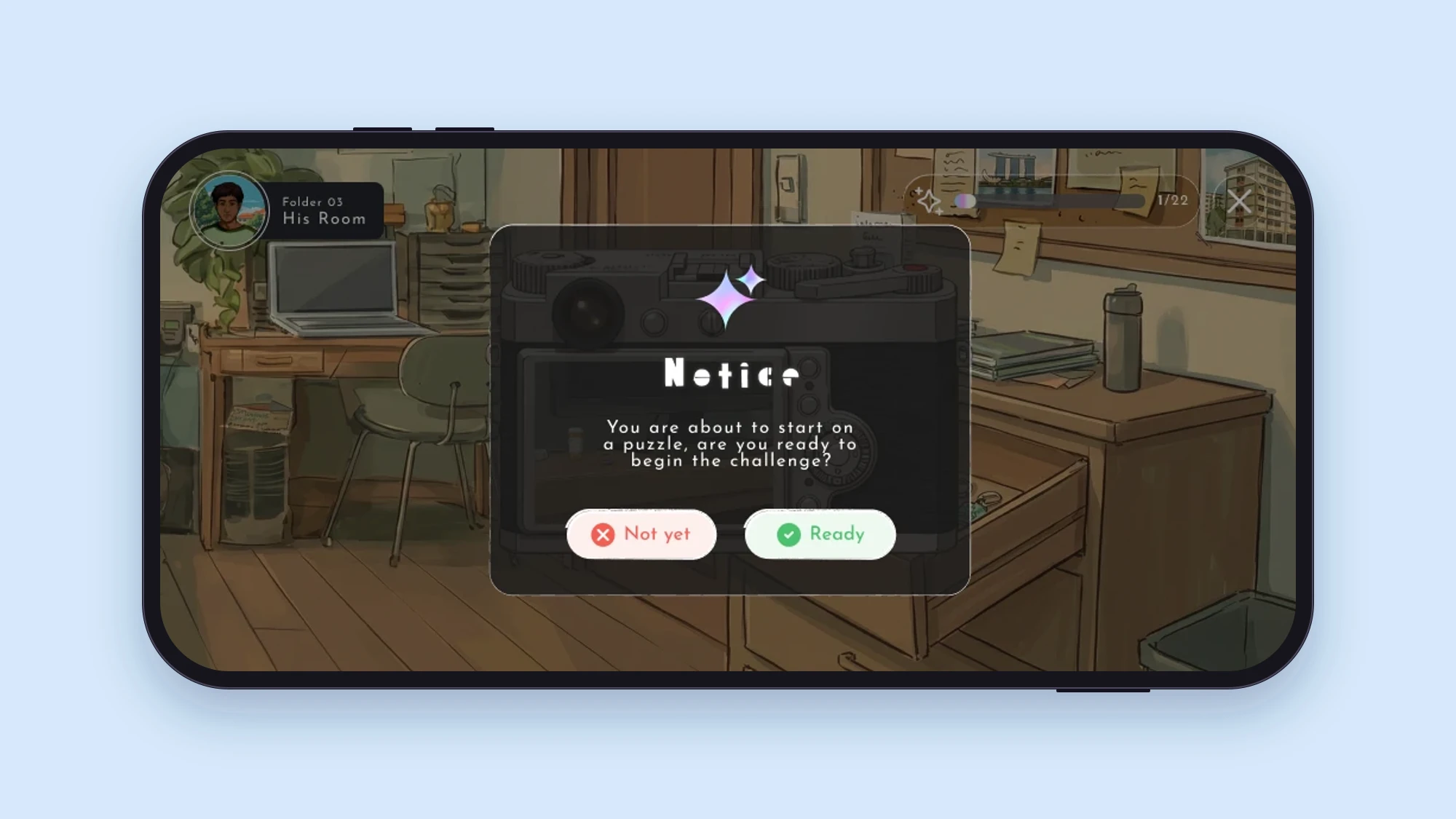
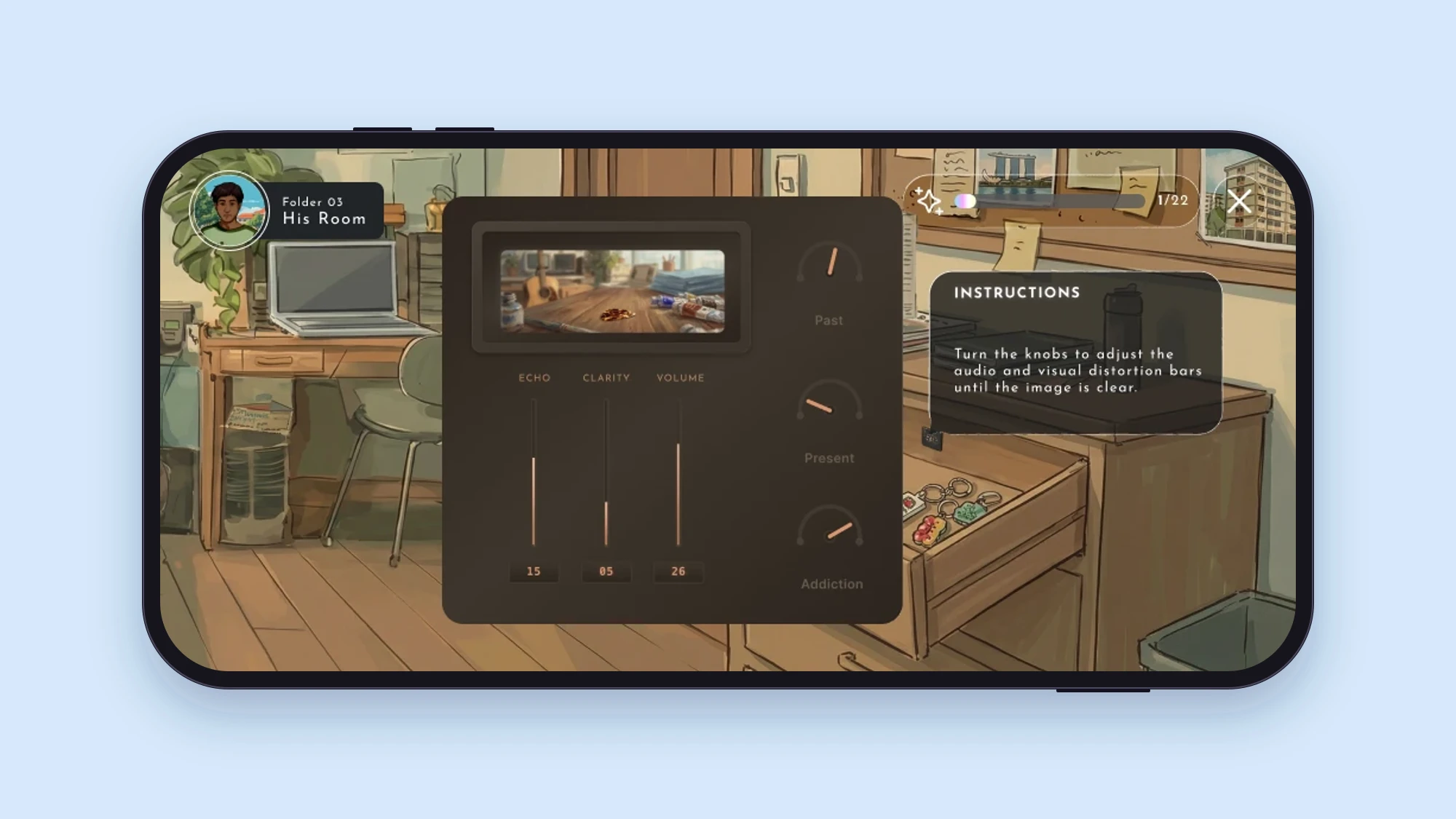
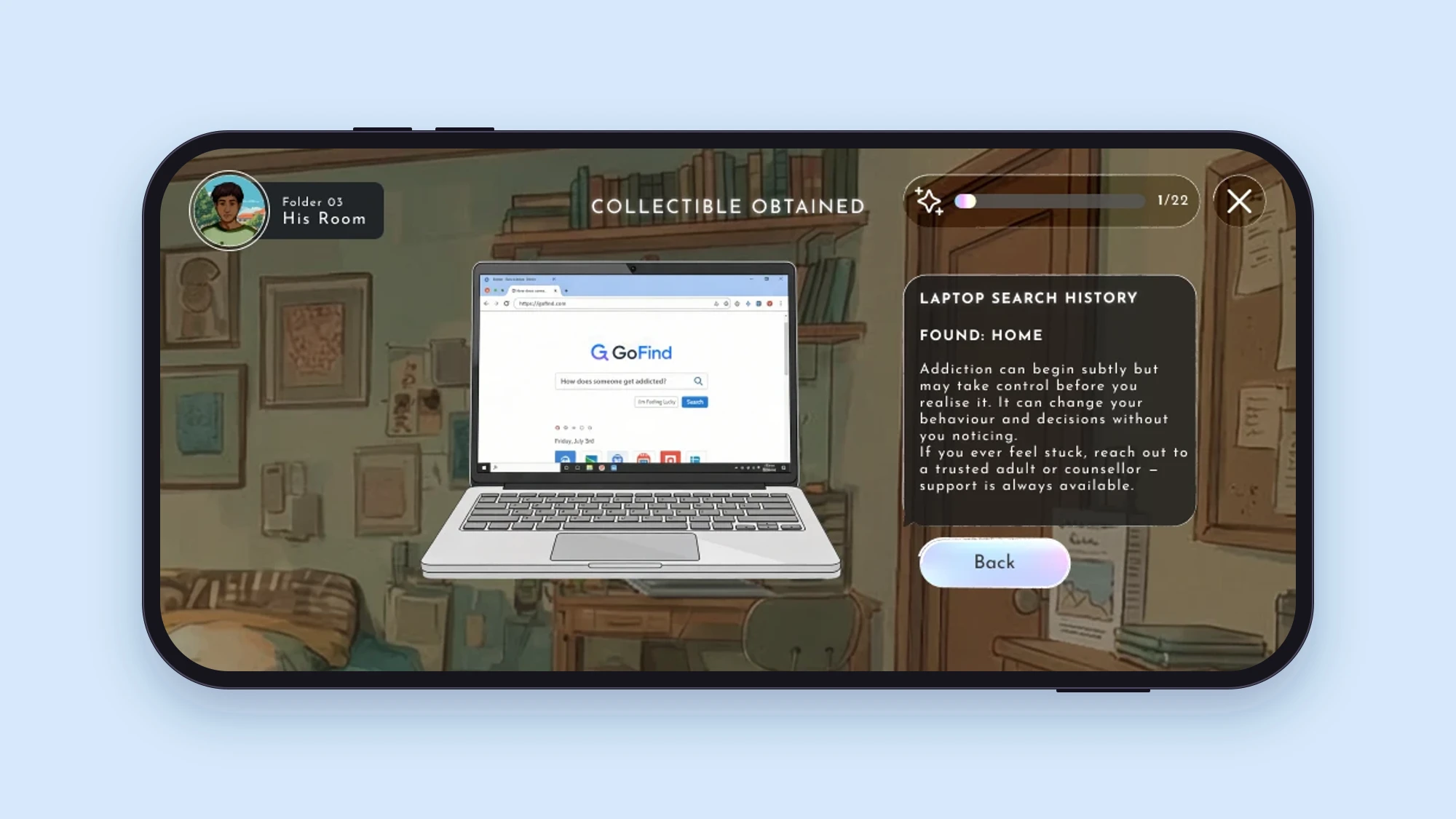
I was involved in planning and designing the puzzles, knowledge quizzes and decision-based scenarios players encountered throughout the game. These included environmental interactions, hidden clues and activities that encouraged players to consider the consequences of different actions.
The challenge was ensuring that these interactions weren't simply obstacles placed between story chapters. They needed to contribute to the narrative while reinforcing the educational objectives.
I explored how information could be introduced through different gameplay formats, from discovering evidence and answering questions to making decisions under time pressure. Each interaction required careful consideration of what players needed to know, what they were expected to do and how the game would respond.
A GOOD PUZZLE
A good puzzle shouldn't just make players think about how to solve it. It should also give them something meaningful to take away.

DESIGN DECISION 03
Making the game logic work
Coming up with different choices was fun. Making sure they all worked together was another challenge entirely.
One of the more complex parts of my work involved planning the underlying gameplay logic. With multiple chapters, interactive objects, quizzes, timed decisions and different endings, the game needed a consistent system connecting everything.
I mapped out player journeys, defined scoring rules and planned how different choices would influence the overall experience. This required thinking through the possible outcomes of each interaction.
QUESTION 01
What happens if a player makes a different choice?
QUESTION 02
How should points be awarded?
QUESTION 03
What happens when a player completes a quiz incorrectly?
QUESTION 04
How do individual decisions contribute to the ending?
I also needed to make sure players received appropriate feedback and understood what to do next.
THE BIGGER PICTURE
It wasn't enough for each puzzle to work individually. Every interaction needed to make sense within the larger game.
Balancing creativity with constraints
One of my biggest challenges was keeping the gameplay engaging without making the educational content feel repetitive.
With multiple learning objectives to cover, there was a risk of relying too heavily on quizzes or straightforward question-and-answer interactions. I had to think about how to vary the gameplay while keeping the activities relevant to the story.
Another challenge was translating creative ideas into mechanics that could actually be developed. A puzzle might sound interesting on paper, but its instructions, interactions, scoring and possible outcomes all needed to be clearly defined.
I worked through these details by documenting the gameplay flows and interaction logic, refining the mechanics and coordinating with the development team. As the game took shape, I also supported testing and quality assurance to identify inconsistencies between the intended design and the actual experience.
WHAT I LEARNT
I learnt that creativity is only one part of game design. Making everything work together requires just as much attention to logic, clarity and detail.

Bringing the experience to life
The smallest details can make a big difference to how a game feels.
Beyond the main gameplay mechanics, I also contributed to supporting elements such as interactive assets, character dialogue, voice-over content, sound effects and background music. These helped establish the atmosphere of different scenes and make transitions between exploration, puzzles and storytelling feel more cohesive.
I was also involved in reviewing the implemented experience, checking whether interactions behaved as intended and whether the narrative remained consistent throughout the game. It was especially satisfying to see individual components that began as written concepts or flow diagrams gradually come together as a playable experience.
Looking back
Game design is as much about problem-solving as it is about storytelling.
The Last Hour challenged me to think beyond individual interactions and understand how narrative, gameplay mechanics and logic work together. From designing puzzles to mapping branching storylines and scoring systems, I learnt how much planning goes into creating a cohesive experience.
MY BIGGEST TAKEAWAY
My biggest takeaway was that meaningful learning doesn't always need to feel instructional. Sometimes, the most powerful lessons come from letting players explore, make decisions and experience the consequences themselves.
NEXT PROJECT
DBS PayLah! Interactive Web Demo